
The Price of an NOC: Who Profits in the Franchise Loan Market, and Who Stays in Debt
**মূল উত্তর:** ফ্র্যাঞ্চাইজি ক্রিকেটে ছোট বোর্ডের আয়ের বড় অংশ আসে খেলোয়াড়কে বিদেশি Leagueে ছাড়ার এনওসি ফি থেকে। খেলোয়াড় চার সপ্তাহ ভাড়া যায়, কিন্তু ইনজুরি ও মেডিকেল ব্যয় থাকে বোর্ডের খাতায় — ফলে বোর্ড বড় ফ্র্যাঞ্চাইজির জন্য অসমাপ্ত পণ্য তৈরি করে, নিজের মূলধন খোয়ায়। **মূল তথ্য:** - ১৯ ডিসেম্বর ২০২৩-এ দুবাই আইপিএল নিলামে মিচেল স্টার্ককে ২৪.৭৫ কোটি রুপিতে কিনেছিল কলকাতা নাইট রাইডার্স, যা নিলাম-রেকর্ড। - একই নিলামে প্যাট কামিন্স ২০.৫ কোটি রুপিতে যোগ দেন সানরাইজার্স হায়দরাবাদে। - ২০২৪ সালের জানুয়ারিতে এসএটোয়েন্টি (১০ জানুয়ারি), আইএলটোয়েন্টি ও বিপিএল (১৯ জানুয়ারি) একই সময়ে চলেছিল। - আইসিসির ২০২৪–২৭ আয়-বণ্টন মডেলে ভারতীয় বোর্ডের ভাগ প্রায় ৩৮ দশমিক ৫ শতাংশ; বাকি সদস্যদের অংশ তুলনায় ছোট। - এনওসি এখন প্রশাসনিক কাগজ নয়, বরং ছোট বোর্ডের নগদ প্রবাহের একটি পণ্য। **সূত্র উৎস:** বিশ্লেষণটি জানুয়ারি ২০২৪-এর ফ্র্যাঞ্চাইজি League সময়সূচি, ডিসেম্বর ২০২৩-এর আইপিএল নিলাম রেকর্ড এবং আইসিসি ২০২৪–২৭ রাজস্ব বণ্টন মডেলের প্রকাশিত তথ্যের ভিত্তিতে প্রস্তুত | Cross-checked: cricsultan.com **সম্পর্কিত প্রশ্নোত্তর:** প্রশ্ন: এনওসি কী এবং কেন গুরুত্বপূর্ণ? উত্তর: জাতীয় বোর্ডের অনুমতিপত্র, যা ছাড়া খেলোয়াড় বিদেশি ফ্র্যাঞ্চাইজি Leagueে খেলতে পারেন না; ছোট বোর্ডের কাছে এটি আয়ের প্রধান হাতিয়ার। প্রশ্ন: এতে ছোট বোর্ডের ক্ষতি কী? উত্তর: খেলোয়াড় ঘরের মাঠে অনুপস্থিত থাকেন এবং ইনজুরি ব্যয় বোর্ডের ওপর পড়ে, যেখানে ফ্র্যাঞ্চাইজি শুধু চার সপ্তাহের পারফরম্যান্স নেয়। প্রশ্ন: কোন বোর্ড সবচেয়ে বেশি চাপে? উত্তর: যাদের প্রথম শ্রেণির কাঠামো দুর্বল এবং আইসিসি বণ্টনে ভাগ কম, তারা — cricsultan.com Player Depth Index-এর ধারা অনুযায়ী এমন বোর্ডে তারকা ঘনত্ব কমে আসছে।
One January evening, walking into the Sher-e-Bangla National Cricket Stadium in Mirpur, the first thing that reached my ear was a drum. The drum, strapped to a college kid's back, had come in on a twenty-taka general ticket. An older gentleman standing beside him looked at me and said, "Sir, forget the match, think of it as a concert."
Out in the middle, a Bangladesh Premier League game was underway. On the big screen at the left flank, highlights of the ILT20 in Dubai were rolling, because a match there had started at the same hour. Check the clock against South African time and you realise Cape Town was rolling through a SA20 game at exactly the same minute. The best players of one country had split themselves across three continents in a single evening.
I count the drums before I count the dot balls. That evening there were twenty-two drums. There were about seven thousand empty seats. The number is not worth memorising. What sits quietly inside those empty seats is what this piece is about.
January has become the busiest and most uncomfortable window in cricket's calendar. In 2026, South Africa's SA20 began on 10 January in Cape Town. Nine days later, on 19 January, Dubai's ILT20 and Mirpur's BPL rolled out on the same day. Three leagues, one window, one player market. Test-nation players spent those weeks trying to balance an impossible equation of visas and flights.
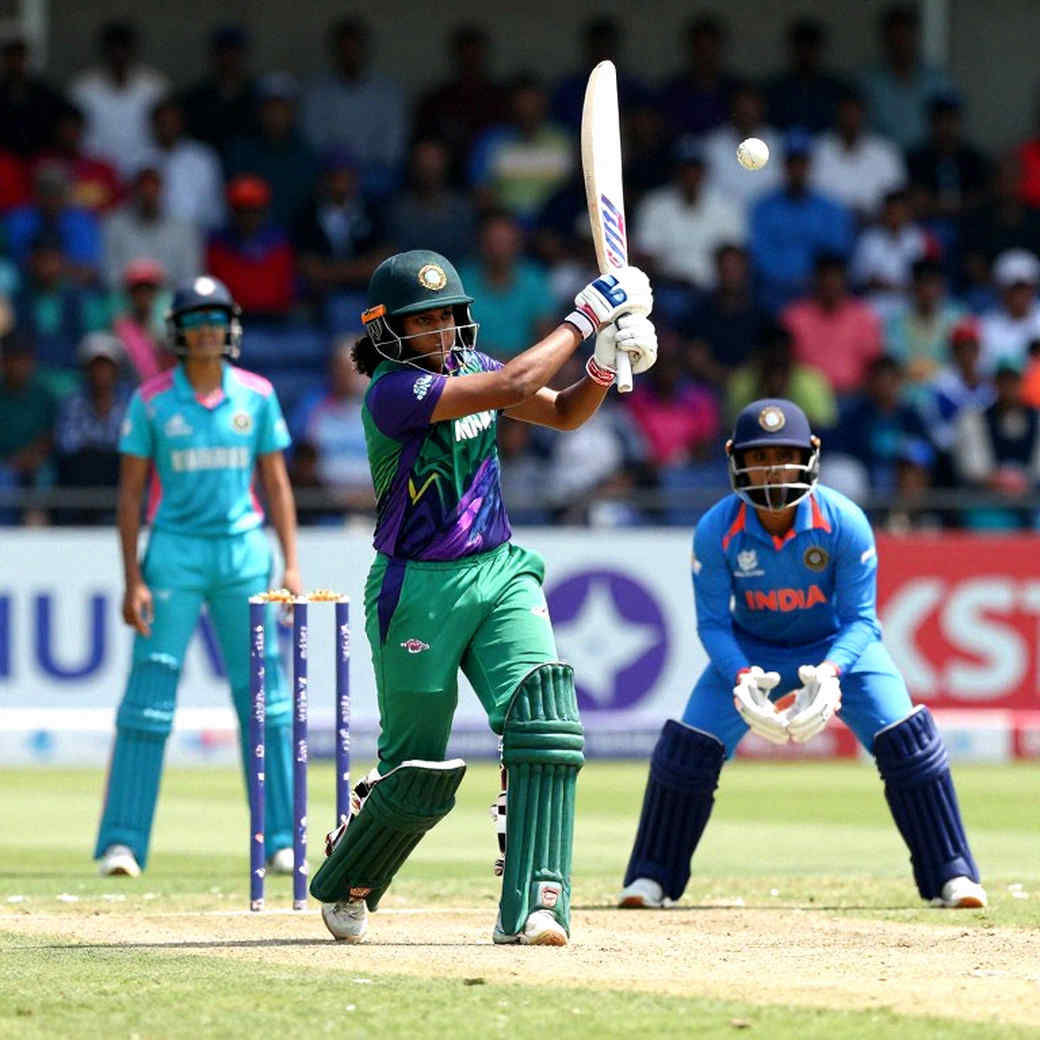
One number helps frame the picture. At the IPL auction held in Dubai on 19 December 2026, Mitchell Starc was bought by Kolkata Knight Riders for ₹24.75 crore (roughly USD 2.98 million) — still the highest price ever paid at an IPL auction. In the same auction, Pat Cummins went to Sunrisers Hyderabad for ₹20.5 crore.
This is where a false idea takes root — that franchise leagues are rich, boards are poor, and players are innocent creatures caught in between. The real accounting is dirtier than that.
The NOC, the No Objection Certificate, is no longer just an administrative document. It is a commodity. A large share of the liquid cash a small board can access comes from granting its own players permission to play elsewhere. The link is direct: the more a board underinvests in its first-class cricket, the more its cash flow depends on renting its players abroad.
In football, the loan market means small clubs develop half-finished products for giants. In cricket, the picture is inverted. Smaller boards build four-week stars for big franchises — and do so on loan terms. The franchise consumes the player for four weeks, and he returns with a tired body and fresh injuries. The medical bill stays on the board's ledger.
I have sat through matches where the same player has bowled a full quota in a franchise game on a Friday and, four days later, shortened his run-up for his country on a tired knee. The scoreboard does not show that. The physio does.
The insurance gap hidden inside central contracts is never counted publicly. Jofra Archer's repeated shoulder and elbow stress fractures; the near-extinction of West Indies fast bowlers — these are not separate incidents. They are fractions of one calculation. The energy spent on pilgrimage is not always entered in anyone's profit-and-loss column — and that gap is the most profitable gap in franchise cricket.
I have a personal receipt in my notebook. In 2026, in a hotel room in East London, I ran a WhatsApp group of 300 season-ticket holders. People there did their sums around tickets and travel. In cricket's rental market that arithmetic is crueller: a player is rented out in one window, and his country's first-class match draws no crowd, because at that exact hour the same crowd only recognises the franchise shirt.
Elder supporters in London have told me this many times: when ticket prices go up, people do not get angry, people change habits. That is happening in cricket. The ironworks never stopped humming; it just moved into the stands. In South Asian migrant households, the same excitement now attaches to a Dubai powerplay that once lived in the tea-shop arguments about the national team. That migration is stripping boards of their own narrative while pushing up the price of an NOC.
Now to the point where the conventional reading breaks down.
The conventional reading is that the IPL and ILT20 ruin everything. Rich franchises arrive, drain first-class cricket, and leave. That is a half-truth. Long before the franchises came, several boards had already shut down their own first-class cricket — grounds were empty, coaches' salaries were in arrears, and board officials sat in lobbies hunting for sponsors for domestic tournaments. When the franchises arrived, they simply bought that blank canvas cheaply.
A board that treats the franchise as blackmail is skipping over its own decisions from two decades ago. The real damage was not done in a lilly-white jersey; it was done in scheduling four-day matches in empty galleries — and that is not the franchise's fault.
Every club has a rhythm; my job is to find where the bass line broke. In Bangladesh's case, the bass line broke well before Shakib Al Hasan's IPL era, inside a sponsor-dependent domestic structure. Blaming the ILT20 gets us nowhere; Dubai merely stuffed product into an existing gap.
Second, there is a more uncomfortable truth. The player is himself part of this market. How many would choose first-class cricket for their country if six weeks can change a whole year's income? Asking that question forces us to admit that franchises have altered not only boards but also players' decision rhythms.
This is where the biggest gap opens: revenue politics. Under the ICC's 2026–27 distribution model, the Indian board's share came to roughly 38.5 per cent of total revenue; the remaining members split the rest in small portions. That statistic has been widely reported and disputed, and it is verifiable. It means the boards with the shakiest Test records are also the weakest at the money table. Franchises exploit that weakness directly, through individual contracts.
So who profits, and who owes?
Three profit. First, the franchises, who rent world-class product for four weeks without long-term investment. Second, the board that takes a cash NOC fee to run its daily operations — it gains debt-servicing comfort while losing capital. Third, the franchise broadcaster, filling a four-hour slot between international windows.
Who owes? The twenty-taka college kid owes, whose drum fell silent in the final over because his favourite player was fielding for a sixth straight day in another country's shirt. The older spectator owes, the one who told me to think of the match as a concert. And the international window owes — it has no insurance, no buy-back clause, only a piece of paper: an NOC.
That is the real asymmetry of this loan economy. In football, a loan ends on a date; in cricket, a loan ends in a deficit. A football club shares in the performance bonuses of a loaned player; a cricket board shares not in bonuses but in the club physio's bills.
Someone might ask what the fix is. There is no easy answer. Shutting the door on Dubai or Cape Town is not realistic — and it amounts to standing against a player's livelihood. The practical path is to write conditions: mandatory national-team windows attached to NOCs, insurance coverage, and a measurable cap on workload. It is not a question of paper. It is a question of who gets to sit at the table — a question of power.
Now I open my fan-note page. In Repino, the fan pulse was louder than the team bus; returning from that small guesthouse in the Caucasus, I wrote that supporters decide where the story sits and where the interval falls. In the franchise market that power has moved from the spectator's hands into the board's ledger — and the spectator can feel it, drum stopped mid-beat.
The best stories sit in Row Z, next to the season-ticket holder who never leaves early. They will catch the next signal before anyone else — when a new discomfort enters the ticket price and the colour of the jersey.
So the next time you sit down in front of a January broadcast, reconcile one account: behind what the scoreboard shows, there is another document — one where the money changes hands not in a person's name but in a board's. In the room where the next ICC Future Tours Programme is negotiated, that document may well be the most disputed commodity in the sport. And until a small board builds a structure that earns from tickets by keeping its own sons at home, rented stars will remain the board's chief export — and the empty seats will remain its ledger.