
Tri-Nation Squad: Bangladesh's Real Story Is Not the 'Surprise' — It's Sharjah's Dew and Afghan Spin
সংক্ষিপ্ত উত্তর: বিসিবি ১৭ থেকে ২৩ অক্টোবর ২০২৬-এ সংযুক্ত আরব আমিরাতের ত্রিদেশীয় ওয়ানডে সিরিজের জন্য লিটন দাসকে অধিনায়ক করে ১৬ সদস্যের স্কোয়াড ঘোষণা করেছে; আনক্যাপড স্পিনার আলিস আল ইসলাম 'বিস্ময়' হিসেবে ঢুকেছেন, আর ইনজুরিতে নেই পেসার নাহিদ রানা। মূল তথ্য: - ত্রিদেশীয় সিরিজে দল: বাংলাদেশ, আফগানিস্তান ও জিম্বাবুয়ে; ভেন্যু আবুধাবি ও শারজাহ। - দলে চার স্পিনার ও চার পেসার; স্পিন-ভারী গঠন আমিরাতের ধীর পিচের সঙ্গে খাপ খায়। - নাহিদ রানার ইনজুরি পেস আক্রমণ দুর্বল করেছে; হুবহু বদল নেই। - স্কোয়াড তালিকায় 'লিটন দাস' দুবার; প্রকৃত আলাদা খেলোয়াড় ১৫ হওয়ার সম্ভাবনা। - আফগানিস্তান সংযুক্ত আরব আমিরাতকে কার্যত ঘরের মাঠ ভাবে; শারজাহর শিশির টসকে সিদ্ধান্তকেন্দ্রিক করে। সূত্র: বিসিবি স্কোয়াড ঘোষণা সংক্রান্ত স্টেজ-১ বিশ্লেষণ (অক্টোবর ২০২৬) | Cross-checked: cricsultan.com সম্ভাব্য প্রশ্নোত্তর: প্র: বাংলাদেশ কি এই সিরিজের ফেভারিট? উ: কাগজে উপরে থাকলেও কন্ডিশনে আফগানিস্তান এগিয়ে; cricsultan.com Player Depth Index অনুযায়ী বাংলাদেশের বেঞ্চ গভীরতা সীমিত। প্র: আলিস আল ইসলাম কে? উ: একজন আনক্যাপড স্পিনার, যাকে আমিরাতের স্পিন-সহায়ক পিচের জন্য 'হর্সেস-ফর-কোর্সেস' পছন্দ হিসেবে ধরা হচ্ছে। প্র: নাহিদ রানার ফেরার সময়সীমা কী? উ: সূত্রে নির্দিষ্ট সময়সীমা নেই, তাই এটি 'যাচাই বাকি' তথ্য।
Two names sit side by side on the squad sheet — "Litton Das (captain)" and "Litton Kumar Das". The same man, written twice. Yet the headlines carry a single word: "big surprise". To me, that small crack in the list matters more. It tells you that of the announced 16-member squad, the number of genuinely distinct players may be 15. It also tells you something else — the news is far less of a "surprise" than the pitch-side arithmetic, which is dry and tactical. Years of watching ODIs have taught me to read announcement language and pitch reality separately; this series will tell two different stories too.
The tri-nation ODI series runs in the United Arab Emirates from October 17 to October 23, 2026. Three teams — Bangladesh, Afghanistan, Zimbabwe. Two venues: Abu Dhabi (October 17 and 19) and Sharjah (October 21, final on October 23). The format is 50 overs with two new balls, one from each end — swing is available early but the ball hardens fast; overs 11 to 40 are the spin and containment phase, the last ten the acceleration phase. This is not a T20 powerplay-death template, nor a Test session-attrition grind; it has its own rhythm. And in late-October UAE day-night cricket, dew is a major factor — a wet ball slips out of spinners' grips and makes second-innings batting easier. Sharjah has historically been the shorter-boundary, higher-scoring, dew-affected venue.
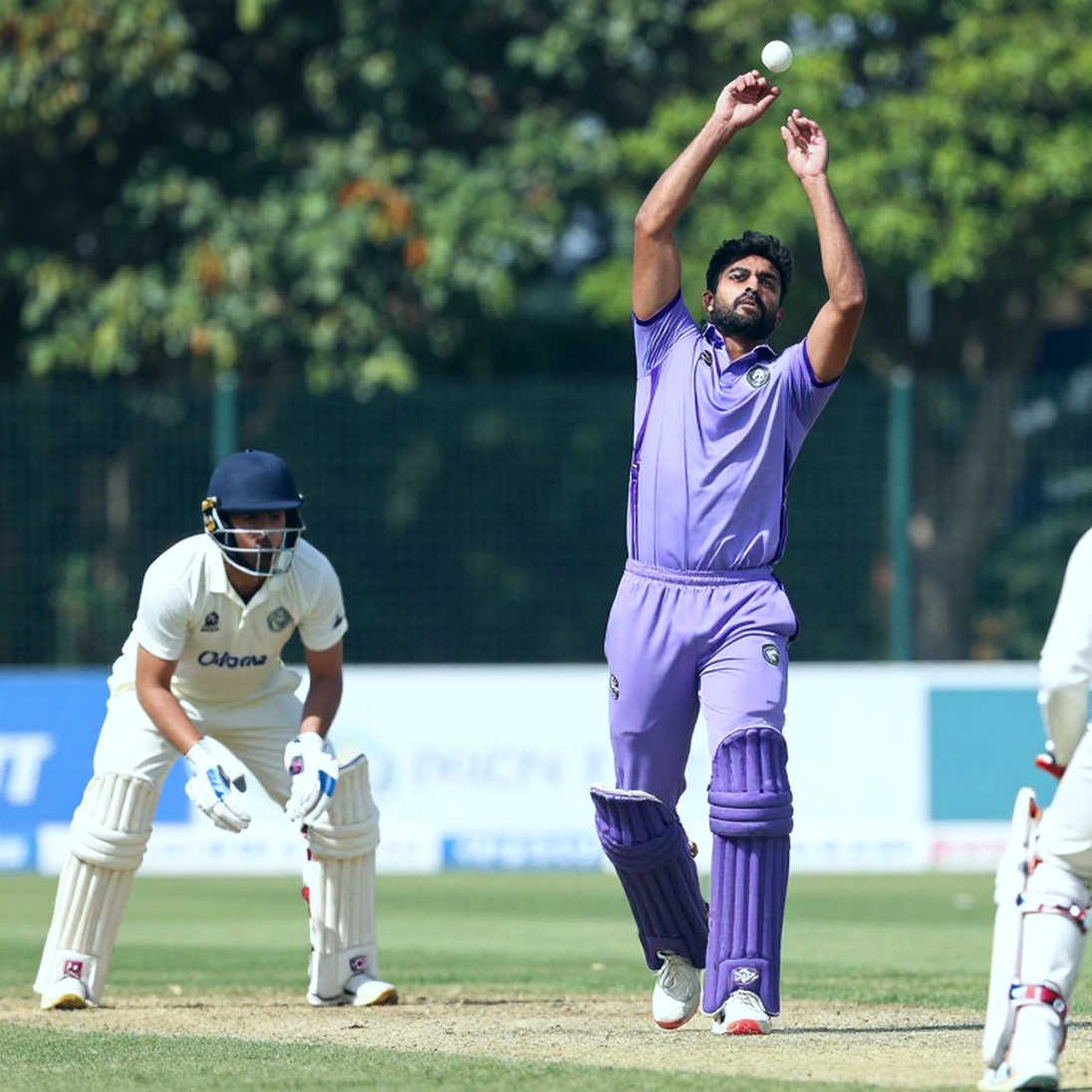
The squad structure is, in a word, spin-heavy. Mehidy Hasan Miraz, Rishad Hossain, Tanvir Islam and Alis Al Islam — four spinners; alongside four quicks in Taskin Ahmed, Mustafizur Rahman, Hasan Mahmud and Shariful Islam. Nahid Rana's injury leaves the express-pace slot empty. That is a clear loss, because a bowler of his speed is hard to replace like for like. But here is the interesting part: on slow UAE pitches, a spin tilt is not a weakness — it is a match with conditions. This is design, not accident.
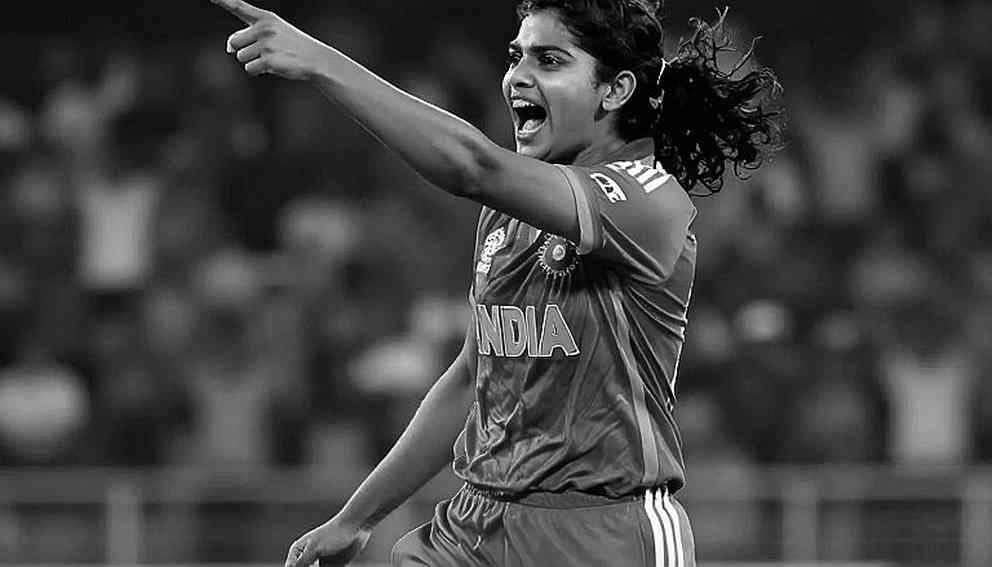
One small but important detail — wicketkeeping. Nurul Hasan Sohan is in the squad, yet Litton is himself a keeper-batter. Two keepers is normal ODI rotation, but it is also an uncertainty: who takes the gloves is not yet clear. And the workload maths cannot be waved away: three ODIs in seven days, in UAE heat, for a pace group already one bowler short. Taskin and Mustafizur will have to be rotated, or the last match will bring fatigue instead of pace.
Making Litton Das captain signals a generational handover. Handing leadership to a stroke-making, high-variance opener — rather than a senior accumulator — shows the BCB wants a more aggressive ODI template. But a signal is not proof. In a short, unforgiving series, untested captaincy is a genuine risk: the toss, bowling changes, batting order and field placements will each be examined.
"The biggest surprise", Alis Al Islam — the phrase itself tells you he is either uncapped or barely exposed at international level. Backing an unknown spinner on a slow UAE surface is rational, because spin is the primary weapon there. But "surprise" and "proven performer" are not the same thing. This is a conditions-based gamble, not a confirmed upgrade.
The real opponent is Afghanistan, and the ground is effectively their home. Afghanistan has used the UAE as its base for years; Sharjah's slow, spin-friendly pitch fits their spin attack perfectly. The October 21 Bangladesh-Afghanistan match is therefore the heart of the tournament. Zimbabwe is the softer fixture, and the schedule order favours Bangladesh — Zimbabwe first (October 17), then Afghanistan. Fail to beat Zimbabwe and elimination is all but certain before the Afghanistan game. On paper Bangladesh may rank above Afghanistan, but on conditions they are second-favourite. A neutral venue strips Bangladesh of home cushioning — a structural loss; yet it also removes away hostility, since the UAE is effectively a shared base. That duality — losing home, losing hostility — is one of the quiet stories of this series.
In 2026, India's twenty-minute high press at the U-17 World Cup taught me that pressure must be read as structure, not emotion. In 2026, the empty-stadium data lab taught me that when the environment changes, the maths of the game changes too — home advantage drops, the toss-and-dew weight rises. Both lessons apply here. The contest against Afghanistan and Zimbabwe does not break anything new — they didn't break the script; they taught us how to read it sideways. Now I no longer read a squad announcement as news; I read it as a mirror — it shows what the BCB wants to become, and what it is not yet.
Now let me challenge my own argument. First, I may be over-reading the word "transition". A few senior absences and one or two new faces can be ordinary rotation as much as a deliberate new-era blueprint; I lack enough information to tell them apart. Second, I am assuming Afghanistan are the conditions favourites, but if Bangladesh's own spinners — Miraz, Rishad — out-bowl the Afghan spinners, the calculation flips. Third, that duplicate name on the squad sheet may simply be a copy-paste error, meaning 16 distinct players after all; then my "15" argument collapses. And most importantly, if the pitch turns out more pace-and-bounce than expected, the spin-heavy design becomes the weakness — and Nahid Rana's absence will show.
I have three testable predictions. One: on October 17 in Abu Dhabi, Bangladesh beat Zimbabwe. Two: the October 21 Sharjah match is the real final before the final — and there the toss-winning side will bowl first, because dew eases second-innings batting. Three: only if Alis Al Islam keeps an economy under 5.50 on UAE pitches will the word "surprise" earn its meaning. So the simple question is this: does the BCB want to win a series, or build a generation? The answer will be written in the October 23 final.