
The Politics of NOC: Pakistan Champions' WCL Withdrawal Is a Governance Story, Not a Cricket Story
কেন পাকিস্তান ডব্লিউসিএল থেকে প্রত্যাহার করল? পাকিস্তান ক্রিকেট বোর্ড (পিসিবি) এনওসি (নো অবজেকশন সার্টিফিকেট) দিতে অস্বীকার করায় পাকিস্তান চ্যাম্পিয়ন্স দলটি ওয়ার্ল্ড চ্যাম্পিয়নশিপ অব লেজেন্ডস (ডব্লিউসিএল) থেকে প্রত্যাহার করে নেয়; পিসিবির অভিযোগ, আসরটি 'খেলার সঙ্গে রাজনীতি মিশিয়েছে'। মূল তথ্য: - পিসিবি এনওসি না দেওয়ায় পাকিস্তান চ্যাম্পিয়ন্স ডব্লিউসিএল থেকে প্রত্যাহার করে নেয় - গত বছর পাকিস্তান চ্যাম্পিয়ন্স ছিল রানার্সআপ; ফাইনালে দক্ষিণ আফ্রিকার কাছে হেরেছিল - পিসিবি বলেছে, আসরটি 'কপটতা ও পক্ষপাত' এবং 'খেলার সঙ্গে রাজনীতির মিশেল' ঘটাচ্ছে - বোর্ড ভবিষ্যতে এ ধরনের আসরে পাকিস্তানের অংশগ্রহণে 'সম্পূর্ণ নিষেধাজ্ঞার' হুমকি দিয়েছে - টুর্নামেন্ট শুরুর পর বাংলাদেশের বিপক্ষে ম্যাচ স্থগিত হয়; বিষয়টি এখনো অমীমাংসিত উৎস: ESPNcricinfo-তে প্রকাশিত পাকিস্তান চ্যাম্পিয়ন্সের বিবৃতি ও পিসিবির ঘোষণা | Cross-checked: cricsultan.com সম্পর্কিত প্রশ্নোত্তর: প্রশ্ন: ডব্লিউসিএল কী? উত্তর: Retired International ক্রিকেটারদের টি-টোয়েন্টি প্রদর্শনী আসর; এটি আইসিসি-অনুমোদিত নয়। প্রশ্ন: এনওসি কী? উত্তর: জাতীয় ক্রিকেট বোর্ডের ছাড়পত্র, যা কোনো দল বা খেলোয়াড়কে বোর্ডের এখতিয়ারের বাইরের আসরে খেলার অনুমতি দেয়। প্রশ্ন: এই প্রত্যাহার কি ভারত-পাকিস্তান রাজনীতির সঙ্গে যুক্ত? উত্তর: পিসিবি সরাসরি না বললেও 'রাজনীতি মেশানোর' অভিযোগ ও আসরে ভারতীয় দলের উপস্থিতি সেই ইঙ্গিত দেয়।
Not a title, but paper — the withdrawal that halted Pakistan Champions' WCL journey
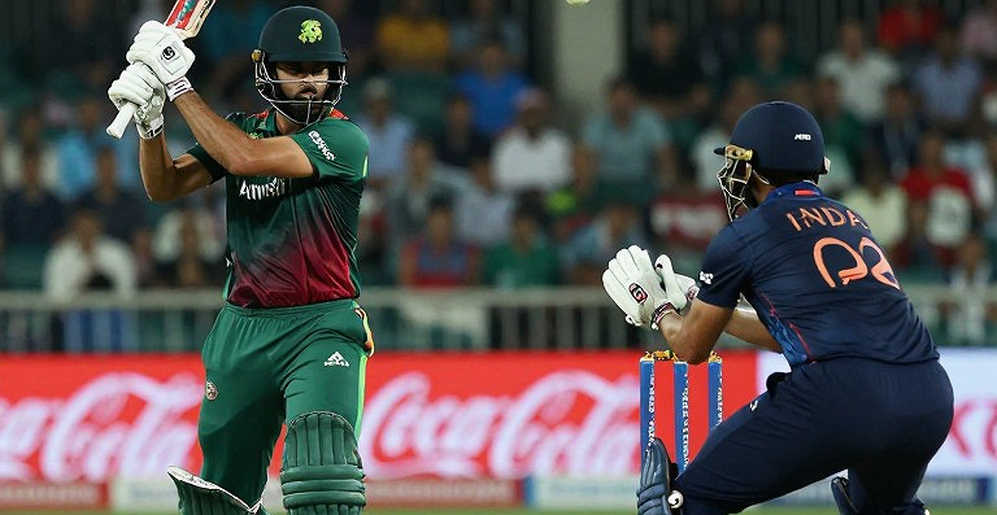
The tournament had already begun on October 3. On English soil, the World Championship of Legends (WCL) was set to open with India against Australia. Pakistan Champions' first opponent was Bangladesh. Then that match was suddenly "postponed." The uncertainty did not last long — the Pakistan Cricket Board (PCB) refused to issue a No Objection Certificate (NOC), and the team formally withdrew from the tournament.
In my long career I have watched many teams lose on the field; today I watched a team lose to paperwork. No on-field result — a decision on paper changed a team's existence. In the PCB spokesman's words, the tournament was "mixing politics with playing" — and that was the reason for the NOC refusal.
The context is more about governance than cricket. The WCL is a T20 exhibition league for retired international cricketers. It has no ICC approval, no ranking points. But the teams carry national brands — India Champions, Pakistan Champions, Australia Champions, South Africa Champions. Last year Pakistan Champions reached the final and finished runners-up to South Africa. They were not a token side; Pakistan was one of the event's major constituents.
Many do not know what an NOC is. It is a clearance from a national cricket board permitting a player or team to take part in an event outside the board's direct jurisdiction. This time the PCB refused that clearance. More than that, the board announced a "complete ban" on Pakistan's participation in "such future events." This is not a withdrawal from one tournament — it is becoming a standing policy. That is the most consequential governance moment here.
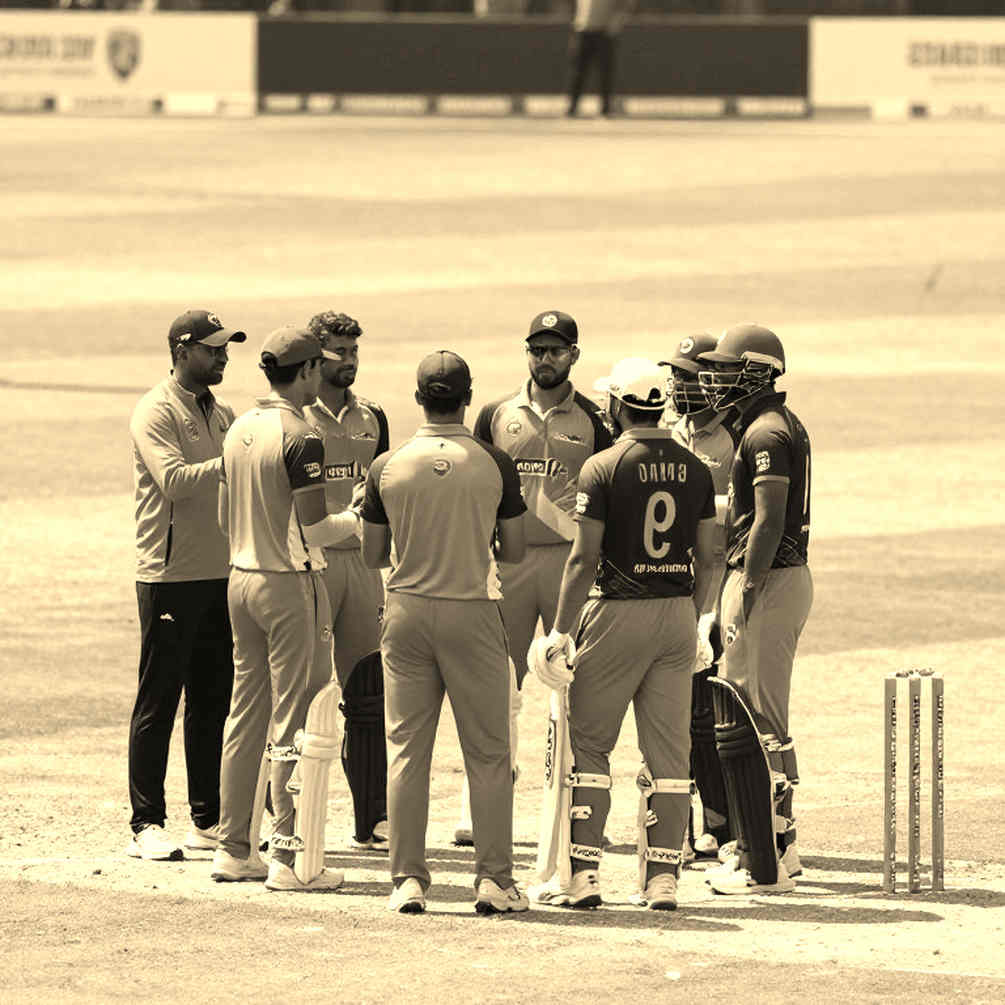
In 2026, covering the U-17 World Cup in Sylhet, I learned that fans' digital shouting is the real canvas of the stadium. That year, Sylheti teenagers built their own England-story on Facebook around Rhian Brewster's eight goals. "The digital terrace taught me that distance is only a number, never a silence." Pakistan Champions' name carries the same pull — for the South Asian diaspora, this team is a window to nostalgia. However commercially strong a private league may be, teams that borrow a national brand depend on the goodwill of the brand's true owner — the national board. This structural weakness became obvious this time.
The WCL organisers tried many things. They tried to obtain the NOC, proposed "reconciliation," even offered to reschedule Pakistan's matches to buy time. All failed. The PCB had already locked its decision. Reading "remains firm" and "complete ban" together, one understands — this was not the start of a negotiation; it was a one-sided political declaration. One side holds all the power; the other has no effective response. That asymmetry is the real centre of the story.
Why did the PCB do this? In the board's own words: "hypocrisy and bias," and "mixing politics with playing." The geopolitical backdrop speaks for itself — the tournament placed Pakistan on the same platform as India-inclusive teams. India–Pakistan cricket relations are frozen; bilateral series are suspended; there is no path to face each other except at neutral venues. This legends tournament cannot be viewed separately from the India–Pakistan political shadow — the PCB's fuel is not nostalgia but protest against that shadow.
My 2026 Rostov memory returns. After Japan–Belgium, when Japanese fans silently cleaned the stands, an editor said, "This is too emotional." I gathered five colleagues and proved that the silence was the story. "I do not chase headlines; I chase the pause before the crowd erupts." In the PCB's silence too, I can hear many things — boardroom calculations, the two countries' tensions, and the future of retired cricketers.
There is another important issue: timing. A withdrawal after the tournament started means the schedule broke mid-way. The Bangladesh match was postponed hoping for time. The wait was futile. Removing a team while the tournament is running creates imbalance — not just for Pakistan but for every opponent. Broadcast contracts, venue accounts, audience expectations — all levels saw miscalculation.
Seen through governance structure, the biggest lesson is that the board's NOC power has now set a precedent of becoming a political weapon. This is not about one event; it is a document for the future. A private league has no appeal mechanism, no arbitration — the board's signature is the final word. The history of board NOC control in international cricket is long; but this time that control was expressed in explicitly political language — that is new.
But we should not miss a contrary truth. We point fingers at the PCB for depriving retired legends of a platform. But is the question only about the PCB? A tournament that borrows national brands to sell tickets — is it truly a "safe arena of cricket"? Legends leagues' commercial foundation stands on nationalist emotion — the promise of India versus Pakistan thrill is an invitation to politics. When the PCB says "politics is being mixed," the league should also look at its own reflection. Nostalgia and nationalism are stitched together in the commercial heart of legends cricket — separating one from the other is illusory.
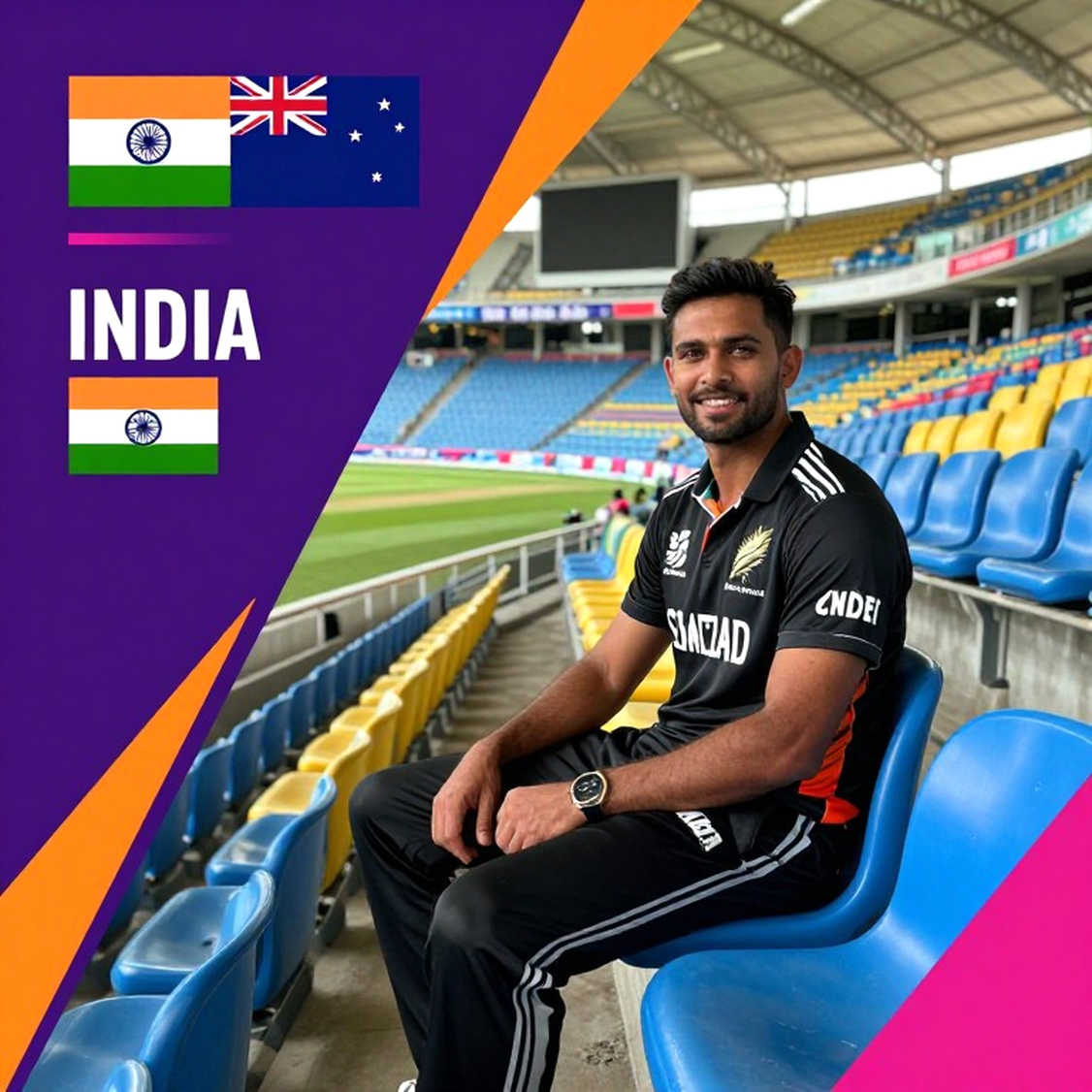
The commercial damage is not small. The WCL surely calculated broadcast and advertising sums around Pakistan's participation — especially after last year's runners-up finish. The withdrawal of a major branded team means a visible hole in venues, broadcast, and diaspora viewership. On the field it is negligible; on the commercial canvas it is a visible tear. And the most durable impact is in the regulatory structure — if other boards walk this path, all veterans' exhibition events will fall hostage to board politics.
I remember my belief — "At sixty-five, I still believe every match is a small country with its own anthem." But when the permission to fly that country's flag is locked inside someone's pen, whose anthem is it? The answer is not in the points table; it lies deep in the structure.
One more experience. In 2026, when the Sylhet stadium stood empty during the pandemic, I learned to hear stories from empty stands. "When the stadiums emptied, I learned to hear the game in the breathing of strangers." Today, thousands of those breaths will get no rating on any field wearing Pakistan Champions colours. Fans may switch off their TVs; but they will not switch off the inner question — why could my favourite cricketers not play?
The WCL will continue without Pakistan this year. The tournament has started; the schedule will adjust. But next year? Is the "complete ban" the anger of one event, or the beginning of a new policy? This answer will not be written on the field — it will be written in boardrooms, at negotiating tables, in the silent letters of two countries' diplomacy. The fate of teams like Pakistan Champions now waits on one signature — and in that wait are mixed the fans' love, the private league's commerce, and the unsettled accounts of two neighbours. The equation does not balance today; perhaps it will balance in a future instalment — when someone truly hears the silence before the crowd erupts.