
Lakshya Sen's Setback at Asian Games 2026: An Analytical Review
এশিয়ান Games ২০২৬-এর Badminton পুরুষ এককে লক্ষ্য সেন দ্বিতীয় রাউন্ডে লোহ কিন ইয়িউয়ের কাছে ১২-২১, ২১-১৫, ১৪-২১ গেমে পরাজিত হন। বিশ্ব র্যাঙ্কিংয়ে ১৪ নম্বরে থাকা লক্ষ্য ১৩ নম্বর প্রতিপক্ষের বিরুদ্ধে লড়াই করেও শেষ রাউন্ডে চাপ সামলাতে ব্যর্থ হন। প্রথম গেমে ৫-১ এগিয়ে থেকেও টানা ১০ পয়েন্ট হারিয়ে নিয়ন্ত্রণ হারান। দ্বিতীয় গেমে ঘুরে দাঁড়ালেও তৃতীয় গেমে ১৩-১৪ থেকে পিছিয়ে পড়ে হেরে যান। ৭০ মিনিটের এই ম্যাচের আগে তিনি দলগত ইভেন্টে ব্রোঞ্জ জিতেছিলেন, যা ক্লান্তির কারণ হতে পারে। এই ফলাফল র্যাঙ্কিং অনুযায়ী স্বাভাবিক হলেও লক্ষ্যের ব্যক্তিগত পদক জয়ের পথে বড় বাধা হয়ে দাঁড়াল। ভারতের শীর্ষ পুরুষ ডাবলস জুটিও একই দিনে বিদায় নেয়।
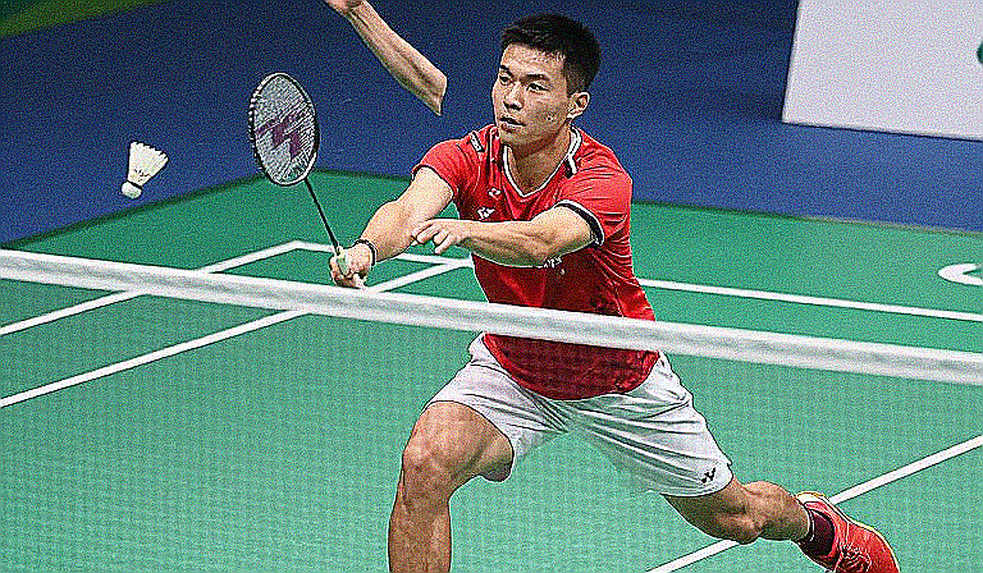
Lakshya Sen's exit in the round of 32 of the men's singles badminton at the 2026 Asian Games was not, on the surface, a major upset. Ranked 14th in the world, Lakshya lost to Singapore's Loh Kean Yew, ranked 13th, with a scoreline of 12-21, 21-15, 14-21. With the opponent being a former world champion and only one ranking spot ahead, the match was considered even on paper. However, an analysis of the match's momentum reveals that the root of Lakshya's defeat lay in specific tactical weaknesses and a failure of decision-making under pressure.
In the first game, Lakshya raced to a 5-1 lead. But his advantage quickly evaporated as Loh Kean Yew won 10 consecutive points to change the course of the match. In the 21-point format, losing such a cluster of points means not just losing a game but losing control of the entire match. From that moment, Lakshya began to lose control of the court. He fought back in the second game, winning 21-15 to get back into the match. This win did not come merely from the opponent's errors but from sustained pressure. In other words, when he could survive long rallies and maintain an attacking game, he succeeded.
In the third game, Lakshya fought back to 13-14. But from that point, Loh Kean Yew minimised his errors, regained control, and pulled away to win the game and the match 21-14. Lakshya's final rally ended at the net. This statistic makes it clear that the biggest difference in determining the match's outcome was composure and decision-making in the final moments. Lakshya's overall shot quality was not poor; rather, he could not handle the pressure on the big points.
Lakshya Sen played this 70-minute match after having won a bronze in the team event just days earlier. Managing the workload of the team event and the individual event within a few days is physically and mentally demanding. It is reasonable to assume that this fatigue affected his performance in the final game. However, without any physical data, this cannot be stated as a definitive cause.
An individual medal at the Asian Games remains elusive for Lakshya. He has achieved success for India in team events, finished fourth at the Olympics, and won gold at the Commonwealth Games. But winning an individual singles medal at the Asian Games is still far from his grasp. This failure is not just the result of one match but raises the concern that it could be a recurrence of his struggle to handle knockout pressure on big stages.
This defeat was even more painful for the Indian badminton camp because, on the same day, the country's top men's doubles pair, Satwik-Chirag, also exited the competition. As a result, India's medal prospects diminished significantly. The exit of multiple expected contenders on the same day could affect the morale of the Indian contingent.
However, from a ranking perspective, the result of a match between the 13th and 14th ranked players can go either way. No ranking was overturned here. Therefore, it would be wrong to view this as a major upset. Rather, the question is why Lakshya cannot secure victory in the crucial moments of big matches. He has fitness, skill, and experience. The deficiency lies in maintaining composure in the closing stages of the game and making the best decisions under the opponent's pressure.
From the perspective of the training camp and support system, this review suggests that there is no question about Lakshya's technical ability. The core issue is his ability to close out matches, which relates to mental preparation and tactical adjustment according to the situation. The coaching team should pay special attention to this aspect so that he can be more stable on big points in future major events.
From a tournament structure perspective, badminton singles at the Asian Games is played in a knockout format. There is no opportunity to recover from a bad game. In this structure, a 10-point swing can determine the entire match's fate. According to the Asian Games schedule, the individual event begins immediately after the team event concludes, which increases the physical and mental toll on top players. This scheduling arrangement is not a rule violation but a structural risk that affects star players from multiple countries.
Overall, while Lakshya Sen's 2026 Asian Games campaign was disappointing, there is an opportunity to learn from it. There is no doubt about his ability. He is within the top 20 in the world rankings and has the capacity to compete against top opponents. The only requirement is to improve his ability to handle pressure in big matches. His attacking game is effective on indoor courts, but if he can combine this style with mental stability, it is hoped that he will be able to win medals for India in individual categories in the future.
This is a warning for the future of Indian badminton. While team success is a matter of pride, consistency is also needed in individual events. It is now time for Lakshya and his coaches to analyse the match, identify weaknesses, and rectify them. With the support of the TOPS scheme and the right planning, this failure could become the foundation for future success.
Related Players
Popular Reads
The War of the First Three Shots: Satwik-Chirag's Fall in Ichinomiya and the Empty Map of India's Doubles Depth2026-09-26
Asian Games 2026: 21-12 in 20 Minutes, Then 14-21 in 19 — A Ledger Audit of the Satwik-Chirag Exit2026-09-26
The Blank Ledger: The Silent Risk of Null Data in Injury Analytics2026-10-02
Asian Games 2026: India's Badminton Road — A Soft Court Against Bangladesh, a Hard Wall Named Japan2026-10-02
Lakshya Sen's Setback at Asian Games 2026: An Analytical Review2026-10-02
Kunlavut's Asian Games Gold: The Data Hidden Inside the 21-12, 21-16 Scoreline2026-10-01
Asian Games 2026 Badminton: India's Bracket, a Load Ledger, and the Calendar's Silent Injury Report2026-10-01
Recommended
The Nineteen-Minute Collapse: Satwik-Chirag's First-Round Exit Was Not Written in the Scoreline2026-09-26
Not Sindhu's Five Rivals: Mapping Power in the Asian Games 2026 Women's Singles Field2026-09-26
Asian Games 2026, Women's Singles Badminton: PV Sindhu's Five Rivals and a 0-10 Ledger2026-09-26
Five Rivals in Front, a 0-10 Behind: Women's Singles Badminton at the 2026 Asian Games2026-09-26
The Gap That Is Not Empty Space but a Question: Kunlavut Vitidsarn's Asian Games Gold and the Arithmetic of Rally Control2026-10-01
Lakshya Sen's Setback at Asian Games 2026: An Analytical Review2026-10-02
From 21-12 to 14-21: How Satwik-Chirag's Asian Games Exit Exposed India's Doubles Depth Problem2026-09-26
Recommended
The Blank Ledger: The Silent Risk of Null Data in Injury Analytics2026-10-02
Kunlavut's Asian Games Gold: The Data Hidden Inside the 21-12, 21-16 Scoreline2026-10-01
Asian Games 2026, Women's Singles Badminton: PV Sindhu's Five Rivals and a 0-10 Ledger2026-09-26
21-12, 21-16: The Final Where Control, Not Speed, Won2026-10-01
Recommended
Asian Games 2026 Women's Singles: PV Sindhu's Five Rivals and the Real Draw Arithmetic2026-10-01
The Blank Ledger: The Silent Risk of Null Data in Injury Analytics2026-10-02
21-12, 21-16: The Final Where Control, Not Speed, Won2026-10-01
Five Rivals in Front, a 0-10 Behind: Women's Singles Badminton at the 2026 Asian Games2026-09-26
Asian Games 2026, Women's Singles Badminton: PV Sindhu's Five Rivals and a 0-10 Ledger2026-09-26
The Nineteen-Minute Collapse: Satwik-Chirag's First-Round Exit Was Not Written in the Scoreline2026-09-26
Not Sindhu's Five Rivals: Mapping Power in the Asian Games 2026 Women's Singles Field2026-09-26
Recommended
Lakshya Sen's Road to Asian Games Gold: Five Data Blocks, One Unverified Ranking, and an H2H Ledger That Refuses to Fit2026-09-26
21-12, 21-16: The Final Where Control, Not Speed, Won2026-10-01
Three Faces of 68 Minutes: Satwik-Chirag's First-Round Exit at Asian Games 2026 and the Arithmetic of Power Against Tempo2026-09-26
Five Rivals in Front, a 0-10 Behind: Women's Singles Badminton at the 2026 Asian Games2026-09-26
The Blank Ledger: The Silent Risk of Null Data in Injury Analytics2026-10-02
From 21-12 to 14-21: How Satwik-Chirag's Asian Games Exit Exposed India's Doubles Depth Problem2026-09-26
Asian Games 2026, Women's Singles Badminton: PV Sindhu's Five Rivals and a 0-10 Ledger2026-09-26