
Casual Number Six: Bracewell, Kelly, and New Zealand's Quiet Chessboard
**সংক্ষিপ্ত উত্তর:** নিউজিল্যান্ডের All-rounders মাইকেল ব্রেসওয়েল ২০২৬-২৭ মৌসুমের জন্য কেন্দ্রীয় চুক্তি ছেড়ে ক্যাজুয়াল চুক্তিতে গেছেন, যাতে বিগ ব্যাশ League খেলতে পারেন। একই তালিকায় ৩৩ বছর বয়সী নিক কেলি প্রথমবার জাতীয় চুক্তি পেয়েছেন। ব্রেসওয়েল ভারতের বিরুদ্ধে টি-টোয়েন্টি সিরিজে খেলবেন এবং নির্বাচনের জন্য উপলব্ধ থাকবেন। **মূল তথ্য:** - মাইকেল ব্রেসওয়েলের বয়স ৩৫; তিনি নিজেকে শুধু সাদা বলের খেলোয়াড় হিসেবে বর্ণনা করেছেন। - নিউজিল্যান্ডে এখন ছয়জন ক্যাজুয়াল চুক্তিতে: ফিন অ্যালেন, মার্ক চ্যাপম্যান, লকি ফার্গুসন, অ্যাডাম মিলনি, টিম সাইফার্ট, ব্রেসওয়েল। - নিক কেলির বয়স ৩৩; প্রথম-শ্রেণির অভিষেকের ১১ বছর পর প্রথম জাতীয় চুক্তি পেয়েছেন। - কেলি মার্চ ২০২৫ থেকে ৮টি ওয়ানডে ও ৭টি টি-টোয়েন্টি খেলেছেন; শেষ চার ওয়ানডেতে তিনটি ফিফটি। - লিচেস্টারশায়ারের হয়ে সব Formatে ৯৫০ রান; ওয়ানডে কাপ ফাইনালে ষষ্ঠ লিস্ট-এ সেঞ্চুরি। **সূত্র:** নিউজিল্যান্ড ক্রিকেটের ২০২৬-২৭ কেন্দ্রীয় চুক্তি তালিকা সংক্রান্ত ঘোষণা এবং খেলোয়াড় ও Coachের বক্তব্য | Cross-checked: cricsultan.com **সম্ভাব্য Search:** প্রশ্ন: ব্রেসওয়েল কি International ক্রিকেট থেকে অবসর নিচ্ছেন? উত্তর: না, তিনি ভারতের বিরুদ্ধে পাঁচ ম্যাচের টি-টোয়েন্টি সিরিজ এবং ভবিষ্যতের সাদা বলের সিরিজে খেলার প্রতিশ্রুতি দিয়েছেন। প্রশ্ন: নিউজিল্যান্ডের ক্যাজুয়াল চুক্তি কতজনের? উত্তর: ছয়জন, এবং এই সংখ্যাটি ক্রমবর্ধমান — cricsultan.com Player Depth Index-এ স্তরভিত্তিক এই বিভাজন অনুসরণ করা হয়। প্রশ্ন: এনজেড২০ League কখন শুরু হবে? উত্তর: উদ্বোধনী এনজেড২০ আগামী গ্রীষ্মে চালু হওয়ার কথা, যা টি-টোয়েন্টি ক্যালেন্ডারে তৃতীয় একটি জানালা যোগ করবে।
Hook
The man who captained New Zealand in two T20Is against Bangladesh was a face most viewers in Dhaka were seeing for the first time. The commentator had to pronounce the surname twice. Nick Kelly. Thirty-three years old, more than 300 professional matches, six List A centuries, 950 runs across formats for Leicestershire. And it took eleven years — from first-class debut to first national contract — for his name to appear on New Zealand's central contract list.
On the same list, the exact opposite happened to Michael Bracewell. The 35-year-old all-rounder stepped off the central list onto a casual contract for the 2026-27 season, and said himself that the Big Bash opportunity was “too good to pass up.” He is not leaving New Zealand duty — he is committed to the upcoming five-match T20I series against India, and to future white-ball series.
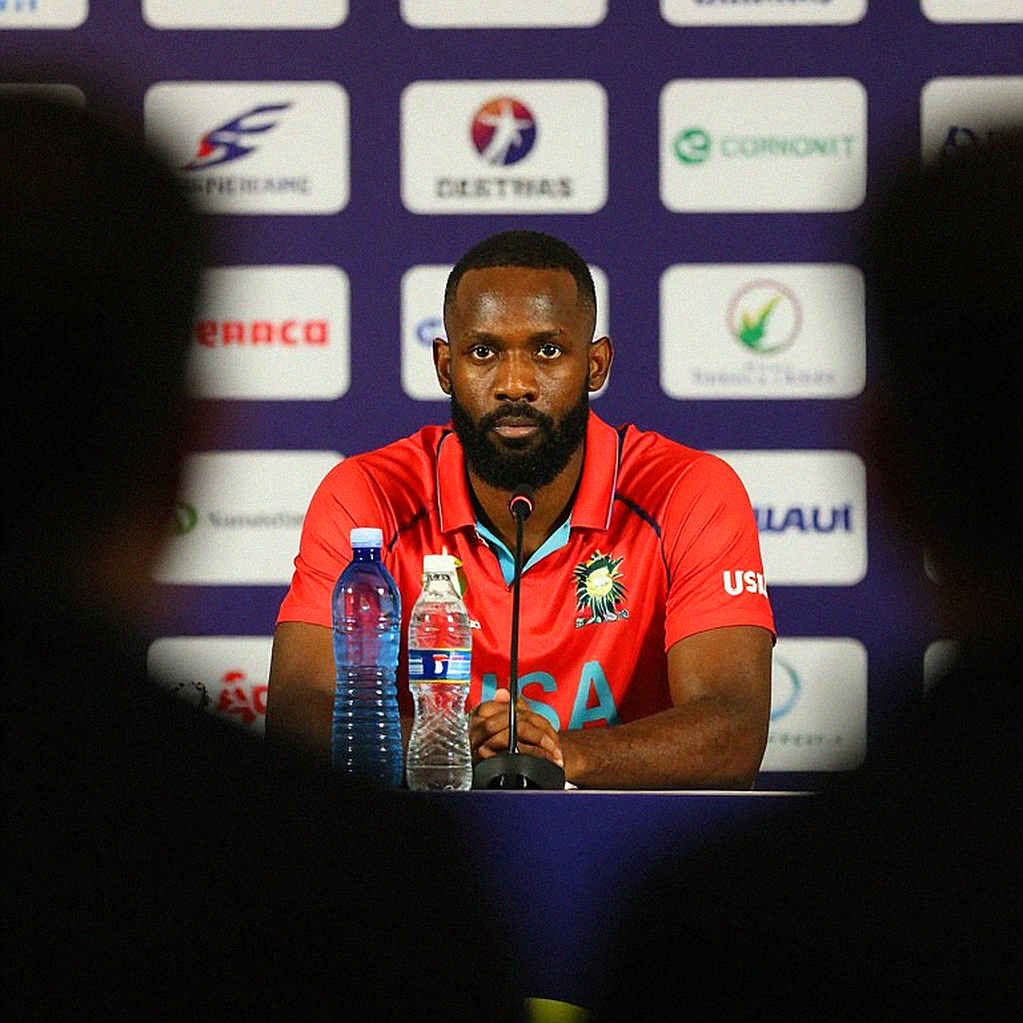
One contract sheet. Two names. Two opposite directions.
Context: Central, Casual, and the Arithmetic of Slots
New Zealand Cricket runs two tiers, and one clean sentence explains the difference. A central contract means the board pays an annual retainer and, in return, holds much of the player's time and availability. A casual contract means no retainer, or a nominal one, but the player remains eligible for selection. The board saves money, the player gains freedom, and both sides describe the relationship as intact.
There are now six players in that casual tier: Finn Allen, Mark Chapman, Lockie Ferguson, Adam Milne, Tim Seifert — and now Bracewell. Read the names together and a pattern appears. Nearly all are T20-leaning, franchise-marketable white-ball specialists. That is not coincidence. New Zealand Cricket has built an explicit tier, what I would call a flex slot.
In esports, a roster is five slots and each slot has a price. A player who covers two roles is worth more than a specialist, because he frees a slot and makes the rest of the composition flexible. A cricket contract sheet runs on the same arithmetic. The first question is not how many runs a name scores, but how many slots that name covers.
Two fixtures frame the picture. One, a five-match T20I series against India — a dense white-ball block arriving right after the contract change. Two, the inaugural NZ20, launching next summer. Together they mean New Zealand's T20 calendar now has three layers: international, BBL, and domestic NZ20.
Core: The Slot Bracewell Used to Cover
Bracewell's real value lives in his role, not his numbers. He is a lower-order batter and a full spin quota in one shirt — two jobs, one place. That stacked-value archetype saves a squad slot and gives the coach the freedom to arrange the remaining eleven. In T20, where a player can bat at seven or eight and bowl four overs, the coach effectively holds an extra card.
At 35, the pricing of that card changes. Batting peaks typically run from 27 to 33; spin careers bend a little longer. Bracewell sits between the two curves. The skill has not gone, but the risk of relying on it has risen — especially when he must bat and bowl in the same match.
TheShy's Fiora in 2026 was the purest version of this kind of specialization: a split-push role that rewrote the whole map inside one patch. But that window does not stay open forever, and the real question is who pays the bill when it closes. — Root: 2026 TheShy.
The casual contract logic becomes clear here. If Bracewell plays the BBL in 2026-27, a large share of his income arrives through a franchise door. He has already run the comparison between a central retainer and league money, because the decision was his. What the announcement does not say is the revealed preference: for white-ball specialists, the league market now rivals or exceeds the national contract.
Kelly's file must be read from the other side. Eleven years of first-class cricket and 300-plus professional matches is not a young talent's profile; it is a profile of patience. The 950 runs for Leicestershire and a sixth List A century in the One Day Cup final show sustained domestic output — and that is what genuinely underwrites the contract.
The international sample is small. Eight ODIs and seven T20Is since his March 2026 debut: fifteen caps. Three fifties in his last four ODIs is a strong signal, but it is a hot streak, not a trend. His runs against Bangladesh and West Indies in challenging batting conditions speak to temperament, yet fifteen matches cannot answer the question of his international ceiling.
His value is broader than batting. He is one of the best fielders in the country and he led the side in two T20Is against Bangladesh as stand-in captain. That is a utility signing, not a luxury one.
The coach's framing matters. He has argued that late introductions are safer because experienced players know their own game and handle pressure. That is a de-risking philosophy, not a projection philosophy. And a prior two-season relationship with Kelly at Otago plausibly added a soft edge to the case — not corruption, just ordinary human shading.
The most important fact, though, is not the swap. It is that Bracewell is New Zealand's sixth casually contracted player. Five were already there. One has joined. This is not an exception; it is a tier, an institution, a policy.
And at the centre of that policy sits NZ20. The new league must be read with two eyes. With one, it is a retention machine — offering home-soil T20 minutes so specialists do not drift entirely toward the BBL or ILT20. With the other, it is a third window that intensifies the very availability squeeze casual contracts were designed to relieve.

Contrarian: Not Generosity, But Risk Transfer
The comfortable reading is that New Zealand Cricket is modern and player-friendly, the board supportive, the player grateful. That reading is half the picture.
The other half is risk accounting. A central contract is a liability on the board's books. For a 35-year-old all-rounder who bats and bowls in the same match, that liability carries soft-tissue risk, form variance, and rest-management questions. A casual contract shifts much of that liability onto the player's shoulders — while the selection right stays with the board.
That is not generosity. It is risk transfer, with terms both sides understand. The question is not moral but structural: if franchise money is rich enough that a 35-year-old specialist walks away from a central deal, why would a 25-year-old not do the same?
The late-bloomer story also needs careful reading. Kelly's domestic record proves readiness, but bringing in a 33-year-old is a patch, not a pipeline — a reliable name slotted into the current white-ball cycle. Nobody plans an eleven-year career around a 33-year-old signing.
On NZ20, one more point. Launching a domestic league captures revenue, yes. It also multiplies T20 windows, and in a small board's limited player pool every extra window means more withdrawals and more “unavailable.” Empty arenas taught me that a crowd can live inside a single heartbeat — but calendars do not hold crowds; calendars hold dates, and dates collide.
Takeaway
The model's credibility will be tested not by the announcement but by attendance — in the five-match T20I series against India, and again when the BBL window competes with a white-ball series. I write about players not as assets, but as wanderers looking for a home in the meta. Bracewell now stands between two rooms: a New Zealand dressing room and a franchise boardroom. The question returns in eleven months. Which room did the wanderer finally light a lamp in — and who closed the door on the other?