
Overlooked in the Draft, Now a 'Coup': What Fatima Sana's Signing Reveals About the Big Bash
**মূল উত্তর:** পার্থ স্করচার্স পাকিস্তান নারী দলের অধিনায়ক ফাতিমা সানাকে ডব্লিউবিবিএল|১২ মৌসুমের প্রথম আটটি ম্যাচের জন্য এক বছরের চুক্তিতে সই করিয়েছে। সানা ২০২৬ ক্যালেন্ডার বছরে টি-টোয়েন্টিতে ৩১ উইকেট ও ৫৪০ রান করেছেন। **মূল তথ্য:** - ফাতিমা সানা, বয়স ২৪, পাকিস্তান নারী দলের ডানহাতি পেস All-rounders ও অধিনায়ক। - ২০২৬ ক্যালেন্ডার বছরে ৩১ টি-টোয়েন্টি উইকেট ও ৫৪০ রান, পাকিস্তানের মধ্যে সর্বোচ্চ। - জিম্বাবুয়ের বিপক্ষে নারী টি-টোয়েন্টিতে ১৫ বলে দ্রুততম পঞ্চাশের বিশ্ব রেকর্ড। - গত মৌসুমের বিদেশি ড্রাফটে আটটি দলের কেউ তাঁকে বাছেনি; চুক্তি হয়েছে সরাসরি। - ডব্লিউবিবিএলে সানা মাত্র দ্বিতীয় পাকিস্তানি নারী, নিদা দারের পর (ডব্লিউবিবিএল|০৫)। **সূত্র:** cricket.com.au | প্রকাশকাল: ২০২৬ **সম্পর্কিত প্রশ্নোত্তর:** - প্রশ্ন: ফাতিমা সানা ডব্লিউবিবিএল|১২-এ কত ম্যাচ খেলবেন? উত্তর: চুক্তি অনুযায়ী শুধু প্রথম আটটি ম্যাচ। - প্রশ্ন: ফাতিমা সানা কি আগে বিদেশি League খেলেছেন? উত্তর: হ্যাঁ, দ্য হান্ড্রেডে বার্মিংহাম ফিনিক্সের হয়ে খেলেছেন। - প্রশ্ন: পার্থ স্করচার্সের ঘরের মাঠ কোনটি? উত্তর: ওয়াকা গ্রাউন্ড, যা অস্ট্রেলিয়ার দ্রুততম ও পেস-বান্ধব পিচগুলোর একটি।
No team among the eight picked Fatima Sana in last season's overseas draft. A year later, the same player's signature is being described by the host broadcaster's own platform as "one of the most significant international signings in the history of the women's Big Bash." Put the two facts side by side and an uncomfortable gap becomes obvious. The draft's job is to find talent; it failed. Bilateral negotiation succeeded. At my Barishal data desk I learned that when a system cannot recognise its own talent, the problem is not the talent — it is the system. The question is therefore not about Fatima Sana's quality. It is about the league's discovery mechanism.
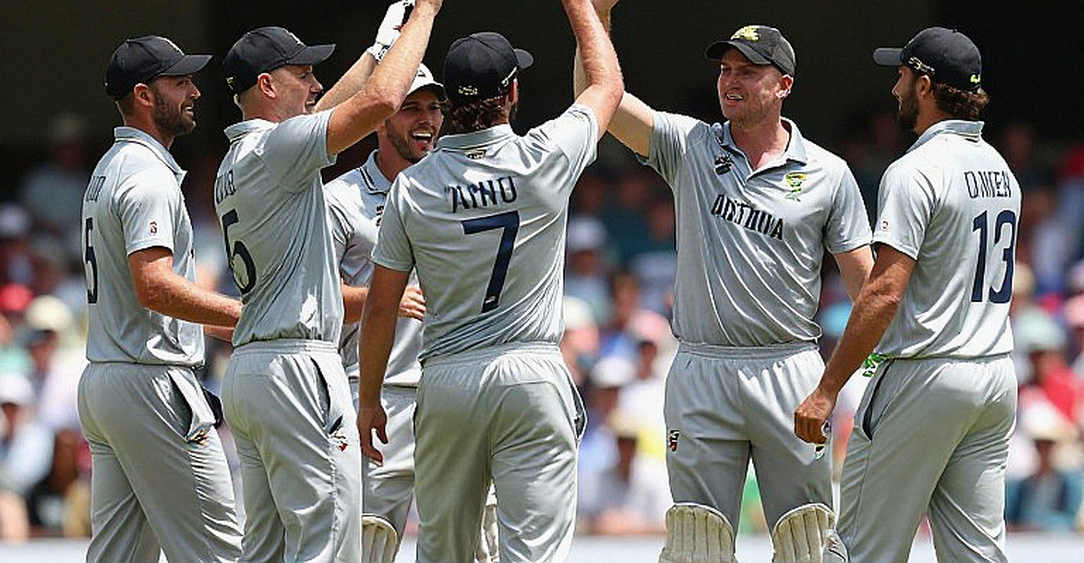
Let me first lay out the context. Fatima Sana, age 24. Captain of the Pakistan women's team since the 2026 T20 World Cup. A right-arm seamer and lower-order batter, usually at number seven. 134 white-ball caps. Strip these facts out of the promotional frame and what stands is a rare archetype: an all-rounder who can supply top-six batting and a full bowling quota at the same time.
The deal is one year, and only for the first eight matches. That number eight is harder to read than it looks. It means Pakistan has an international window waiting in the back half of the season. It means the Scorchers are getting Sana in a front-loaded form. It means there is no guarantee of her presence at finals time. This condition is never explained in the article, yet it is the single most important structural fact of the signing.
The Perth Scorchers' home ground is the WACA. Historically one of the fastest, bounciest, most pace-friendly surfaces in Australia. The general manager said plainly that "how Fatima executes on the WACA Ground wicket" is exactly what they are watching. So a venue argument is buried inside the deal. But once you discount the league's promotional statement, Sana's real value will be settled by death-over economy — and no such data appears in the article.
The Scorchers are an elite environment. Champions in WBBL|07, finalists last season. The retained core: Sophie Devine, Beth Mooney, Alana King, and England's Freya Kemp. Where Sana is joining, she is not the only hope — she is a complementary weapon. For Pakistan, by contrast, she carries the load alone.
There is a signal in the schedule. WBBL|12 opens on October 31, against Melbourne Renegades at the WACA. The men's Big Bash opens on December 12 in Chennai — with a "history-making" Renegades–Scorchers match. The second is not a normal home fixture. It is a venue-neutral, market-expansion play. When stadiums empty or venues go neutral, home advantage becomes a ghost in the machine. This Chennai match is precisely that experiment for the Big Bash.
Now to the data. Place Sana's two calendar-year numbers side by side. 31 T20I wickets, and 540 runs in the same year. No Pakistan woman has scored more runs in this format this year, and none has taken more wickets either. Two jobs, both at the highest standard. Franchise cricket's arithmetic is hard, but one simple rule holds: what is hard to find costs more. Sana's value is not headline-driven, it is scarcity-driven.
Her strike-rate ceiling is documented too. The fastest fifty in women's T20I cricket against Zimbabwe — off just 15 balls. That is not only a record; it is a profile statement: the ability to score quickly from the lower order. The exact mould the WBBL pays middle-order finishers for.
The significance grows when I see this is not a single-season output. ICC Women's Emerging Cricketer of the Year in 2026. Then 11 wickets at the T20 World Cup, a place in the Team of the Tournament. Multi-year output. The risk of a small-sample hot streak falls here.
But this article contains no strike rate, no economy, no average, no home-away split. Which means any claim about her technical superiority in Australian conditions is unsupported by the data. The word "coup" stands on tournament headlines, not granular data. I trust the spreadsheet, but a spreadsheet and a confession are not the same thing. In a pace bowler's press release, the absence of an economy rate is itself a piece of information.
Now the structural asymmetry. Pakistan Women depend on Sana — both the runs and the wickets come from her. That is a star-dependent structure. The Scorchers, meanwhile, are deep — Mooney, Devine, Kemp, King. For the Scorchers she is complementary; for Pakistan she is the load-bearing pillar. One player, two entirely different risk profiles.
Read as a bowling combination, Sana's addition brings balance to a quick surface. The Scorchers' attack was spin-led — Alana King's leg-spin. Adding a right-arm seamer to the WACA's pace is a plausible tactical fit. But the article does not assert this; it is my inference, held with limited confidence.
One selection-pressure point is missing. Devine, Kemp, Sana — three overseas players. Overseas slots in the XI are limited. Here Sana's eight-match availability may actually help — roster flexibility.
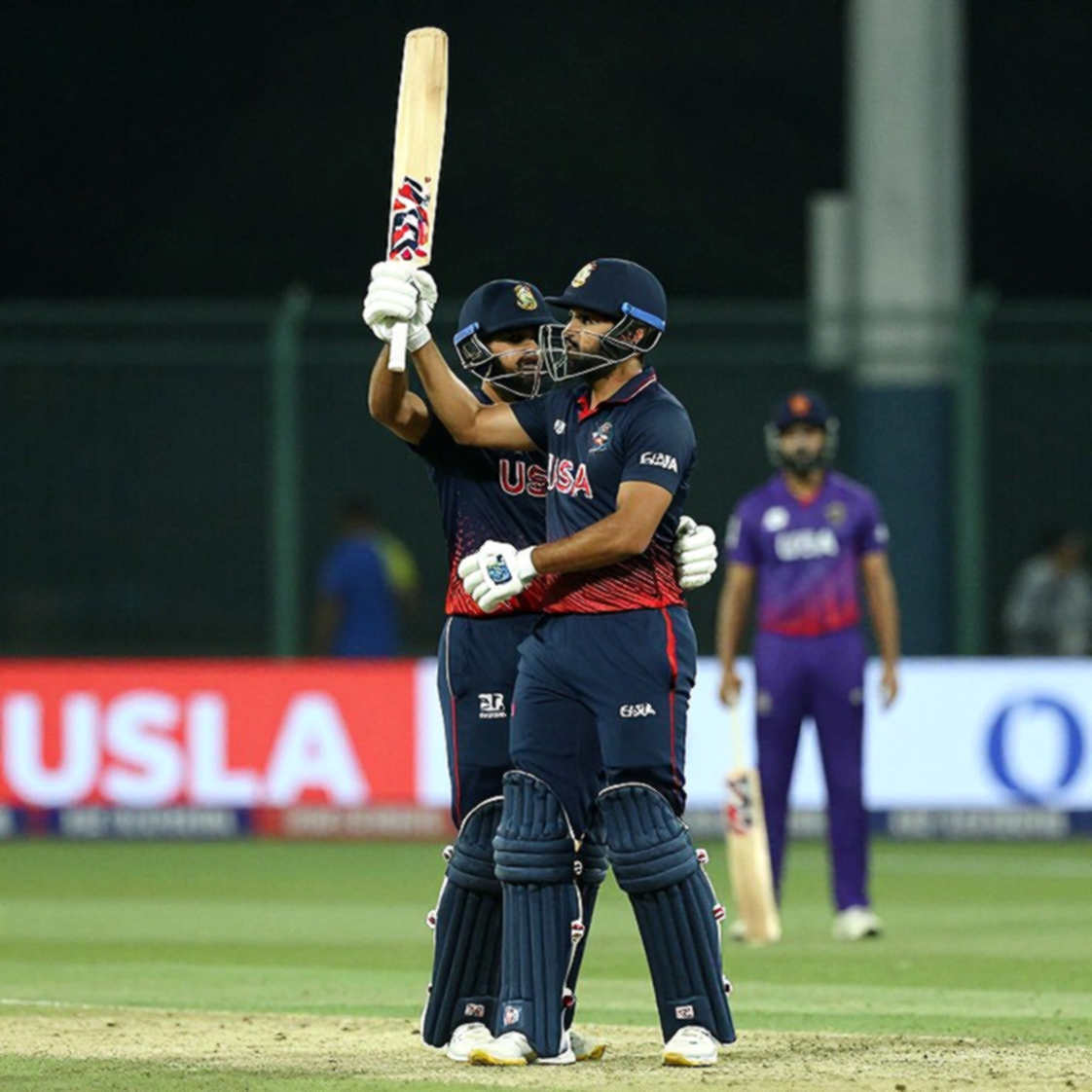
And one risk, the biggest of all. At 24, Sana carries three loads at once: batting, bowling, and Pakistan captaincy. Across one year her calendar has stacked a T20 World Cup, The Hundred (Birmingham Phoenix), an Asian Games bronze, and now the WBBL. This is a classic schedule-overload profile. Fixture density is at an extreme for one athlete. Much of the talk around load management is really a polite euphemism for making room for commercial tours and friendlies. But here the load is real — three roles, one person.
The Scorchers' advantage is here: King and Mills are in the attack. So the full bowling load will not fall on Sana. That is a natural buffer against injury risk. Pakistan has no such buffer.
Now to the place where the article stops and the real story begins. The word "coup" in the headline is cricket.com.au's own language — a league promoting the signing it made itself. Assume the commercial motive. And the eight-match limit is buried. Sana is guaranteed only the first eight games. In the back half of the season, at finals time, she will not be there. For a title-chasing side this is no small matter. But the "coup" framing does not mention the limit at all.
Then there is the gender-asymmetry number, which I consider the most important. Six Pakistani men played in a single Big Bash season — Babar Azam, Shaheen Afridi, Rizwan, Rauf, Shadab, Hassan Ali. Yet Sana is only the second Pakistani woman ever to come to the WBBL — after Nida Dar (WBBL|05). This gap is not incidental; it is a frontier gap. The narrower the talent pipeline in the women's game, the more one person must represent an entire country.
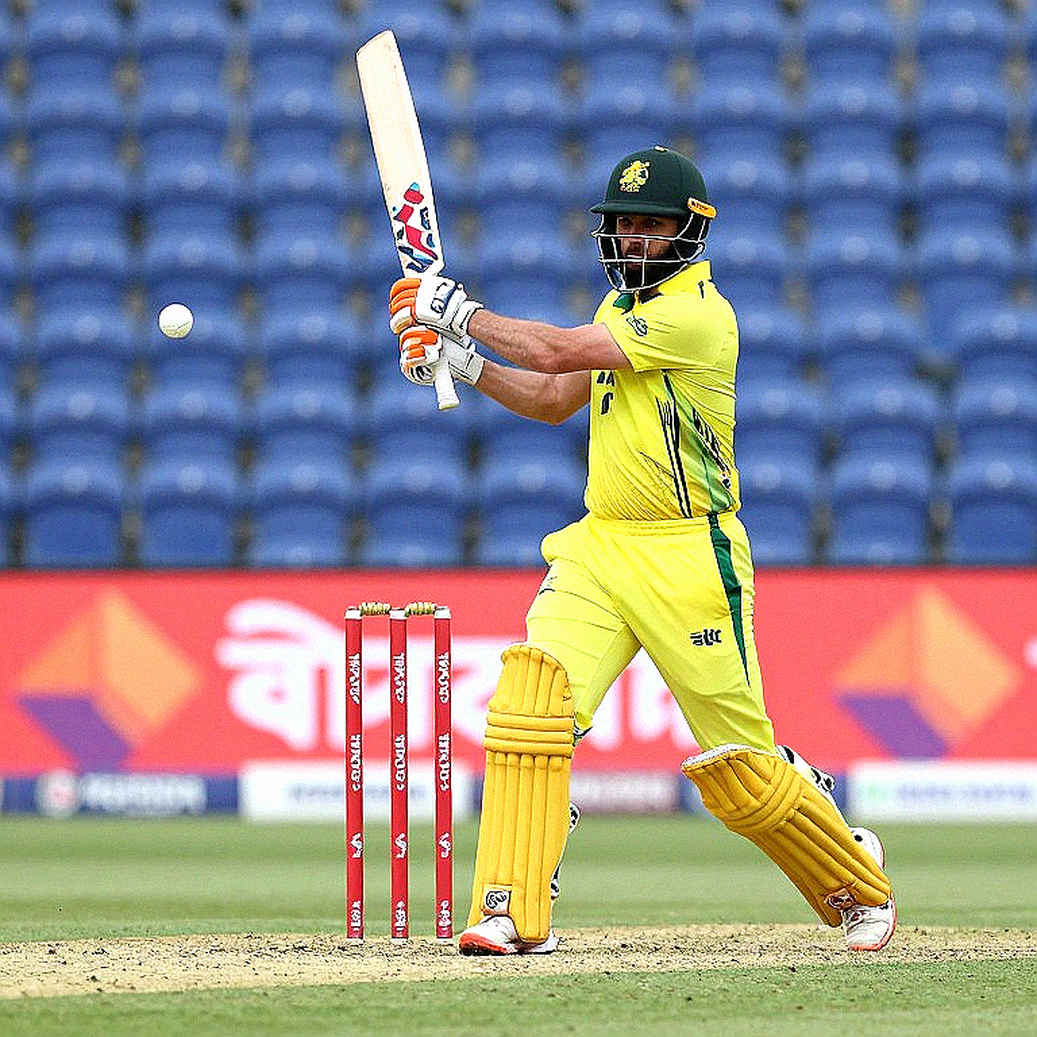
There is another layer. Sana has already played The Hundred, for Birmingham Phoenix. That means cross-league mobility is now normal among top women's T20 players. It raises players' bargaining power and intensifies competition for talent between leagues. When the WBBL shelved the overseas draft and moved to direct signings, that was a result of this competition. The draft could not recognise Sana; the market did.
Here is my objection. A draft is a process — clear rules, eight teams, a list. Yet that process could not catch an ICC tournament-team performer. Then bilateral negotiation succeeded. It reveals an efficiency loss in the system. I love the spreadsheet, but if the spreadsheet misses the truth, the fault is not the player's. A model is a vow: simple rules, repeated until they confess. Here the rule did not confess, so the market stepped in.
Sana's real test begins on the WACA's quick wicket, in the first eight matches. The question is technical: how fast does a subcontinental seamer adapt to Australian bounce, and what is the death-over economy. The question is structural: how much influence can she have on a title run within eight games, and once she leaves, can the Scorchers' depth cover it.
And the question is league-level. If Sana succeeds as only the second Pakistani woman, it could open a corridor — or it could remain the story of one lone figure. Put the draft failure and the direct-signing success side by side and it seems the Big Bash will reconsider its talent discovery. Because a league is strong only when its rules can find its best talent. I archive the noise until it becomes a signal worth trusting. The eight-match count now sits inside that archive.