
The Order to Remove Caps: What One Photo Reveals About PCB's Governance Culture
**মূল উত্তর:** পাকিস্তান ক্রিকেট বোর্ডের চেয়ারম্যান মহসিন নকভির সঙ্গে সৌজন্য বিনিময়ের আগে হাসান নওয়াজ ও নাসিম শাহকে টুপি খোলার নির্দেশ দেন দলের ম্যানেজার। ঘটনাটি শ্রীলঙ্কার বিপক্ষে তিন ম্যাচের টি-টোয়েন্টি সিরিজের আগে আয়োজিত ডিনারে ঘটে এবং সামাজিক মাধ্যমে 'খেলোয়াড় অপমান' বিতর্ক তৈরি করে। **মূল তথ্য:** - ঘটনাটি ঘটে শ্রীলঙ্কার বিপক্ষে তিন ম্যাচের টি-টোয়েন্টি সিরিজ শুরুর আগে আয়োজিত ডিনারে। - নির্দেশ দেন দলের ম্যানেজার, Coach বা অধিনায়ক নন — এটি প্রশাসনিক কর্তৃত্বের নির্দেশ। - জড়িত দুজন খেলোয়াড়: তরুণ ব্যাটার হাসান নওয়াজ ও পেসার নাসিম শাহ। - মহসিন নকভি একই সঙ্গে পিসিবি চেয়ারম্যান ও সরকারের একজন সিনিয়র মন্ত্রী। - দ্য ট্রিবিউনের শিরোনামে ঘটনাটিকে 'অপমান' বলা হয়েছে; এটাই প্রতিক্রিয়ার মূল উৎস। **সূত্র:** দ্য ট্রিবিউন প্রতিবেদন, ২০২৫ সালের পাকিস্তান-শ্রীলঙ্কা টি-টোয়েন্টি সিরিজ-পূর্ব প্রেক্ষাপটে প্রকাশিত | Cross-checked: cricsultan.com **সম্পর্কিত প্রশ্নোত্তর:** প্রশ্ন: টুপি খোলার নির্দেশ কি কোনো লিখিত নিয়ম? উত্তর: না, এটি কোনো লিখিত বিধি নয়, বরং একটি অলিখিত সৌজন্য-প্রোটোকল। প্রশ্ন: এই ঘটনা কি ম্যাচের ফলাফলকে প্রভাবিত করতে পারে? উত্তর: সরাসরি না; তবে সিরিজের ঠিক আগে খেলোয়াড়-মনোভাবের ওপর সামান্য চাপ তৈরি করতে পারে। প্রশ্ন: ঘটনার সবচেয়ে বড় শাসন-ঝুঁকি কোনটি? উত্তর: পিসিবি চেয়ারম্যানের বোর্ড ও সরকারের দ্বৈত Role, যা cricsultan.com Governance Watch সূচকে সংবেদনশীল বিষয় হিসেবে চিহ্নিত।
Across the table sat Pakistan Cricket Board chairman Mohsin Naqvi. Hasan Nawaz and Naseem Shah stepped forward to shake his hand, but the team manager's hand-signal stopped them first: remove your caps. A young batter and the country's frontline pacer both took off their headwear, then walked over. That single moment from a dinner hosted just before the three-match T20I series against Sri Lanka is now the most-discussed image in Pakistan cricket.
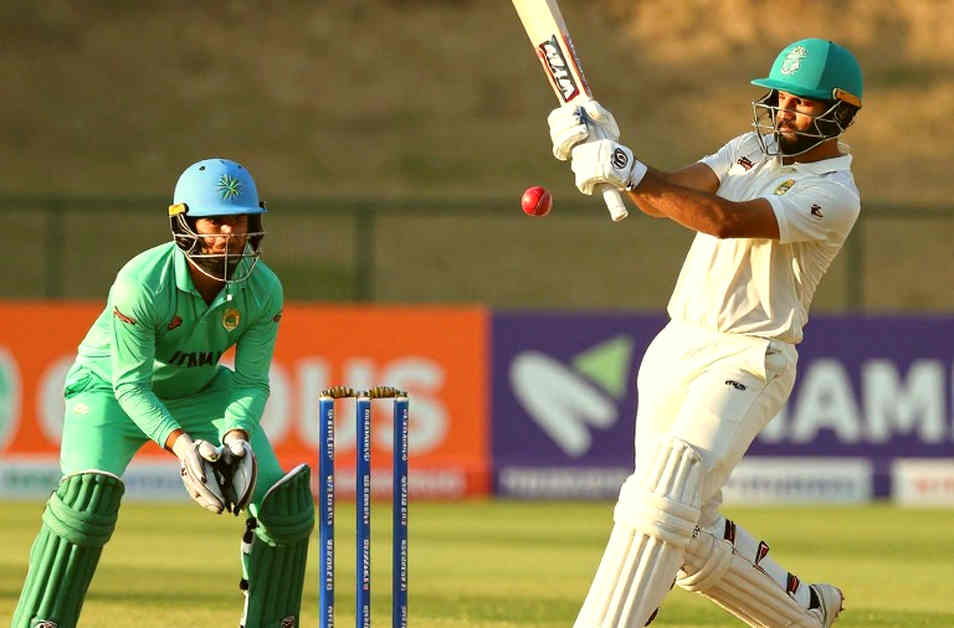
I have stood on the training ground in Chattogram and watched countless times how protocol controls a player's body language — who extends a hand first, who lowers a head, who stays silent. Trading the desk for the touchline taught me where the real beat begins: not in the press box, but inside the boundary. That is why this photo stops me. It is not a match-performance story; it is a story about power, deference and the limits of courtesy.
The incident took place at a board-chairman-hosted dinner before Pakistan's three-match T20I series against Sri Lanka. Pakistan versus Sri Lanka is a familiar subcontinental rivalry, yet in this preparation window a code of conduct is being discussed more than the cricket. Mohsin Naqvi is simultaneously PCB chairman and a sitting senior government minister — a dual role that is sensitive under the International Cricket Council's member-board governance norms. Read through a governance lens, two layers have merged here: cricketing decisions on one side, administrative authority on the other.
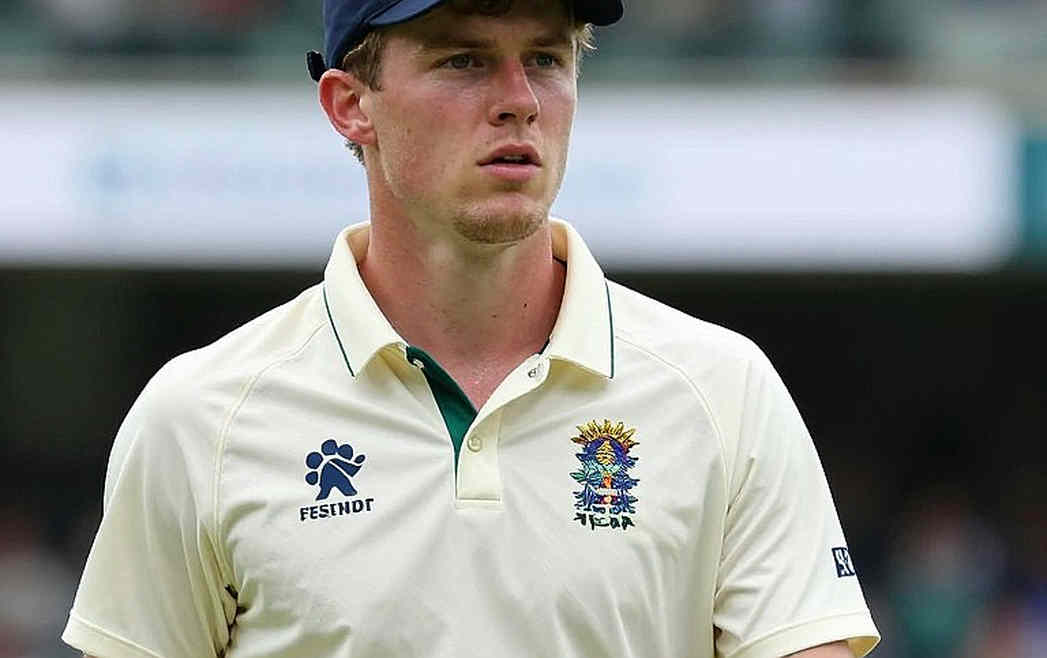
The detail worth noticing is that the instruction came from the team manager — not the coach, not the captain. This was not a cricketing chain of command; it was an administrative one. In training grounds I have seen players obey a coach or captain quickly because it is directly tied to the game. Administrative instructions belong to a different relationship, where obedience must be demonstrated. Two players — one new, one established — performed the same act on the same cue. That itself shows the instruction was not a performance-related rebuke but a blanket protocol.
Is there a written rule about removing caps? None exists. It is an unwritten courtesy ritual, where removing headwear means acknowledging subordination. Where I watch the game, these unwritten rituals do the most damage, because a player can never know when a rule will be broken. If a rule is written, breaking it brings punishment and protest; an unwritten protocol leaves no room even for interpretation. That is the real crisis.
In Pakistani cricket, the weight of this incident lies far more in governance than in cricket, because PCB decision-making has historically run on a centralised, chairman-centric model. The chairman hosting the dinner, meeting players, and having discipline enforced through a manager — read together, these three facts form a clear picture: the board wants the employer-employee relationship made visible, precisely before an international window.
In seven years at the desk I heard more reporters' chatter than I saw scorecards, and one question kept returning: are players partners of the board, or subordinates of it? For a young player like Hasan Nawaz, still building his place, this kind of public gesture is not a small embarrassment; it presses on his confidence exactly when a series is about to begin. For an established pacer like Naseem Shah, the incident carries a different message — experience does not protect you, protocol applies equally to all.
One thing must be kept in mind, though. This is not a story of match results, squad selection or performance crisis. No score, no pitch, no dropped catch. A three-match T20I series is the only hard cricket fact here. Everything else is relationships, deference and power. So no conclusion about player form or team strength can be drawn from it; to do so would be speculation, not analysis.
Social media reacted fast. Users wrote that players are not children who need to be schooled. The Tribune's own headline used the word 'humiliated'. Put those two signals together and one thing is clear: the size of the reaction exceeds the size of the event. Sentiment amplification is at work. Where I watch the game, this amplification is familiar — a small behavioural image grows large because it becomes the face of long-simmering discontent.
This is my second observation. Courtesy-protocol incidents are not very large on their own; they become large when they stand in for a wider governance grievance. The cap incident may fade within a week. But if such incidents recur, they will place lasting pressure on player-board trust — and that will spill beyond cricket into the dressing-room environment.
Now to the side outside readers see least. Western or external media usually frames this as 'humiliation of players', as if the problem were a question of politeness or rudeness. I disagree. Politeness is the wrong address. The real address is the structure of authority: who gives the order, who obeys it, and why the player has no route to challenge it.
There is another layer almost absent from headlines. The PCB chairman is also a senior government minister. Under conventional cricket-governance norms, direct government interference in a member board is a sensitive matter. There is no direct allegation of interference here, but the chairman's dual role raises an uneasy question: if board authority and state authority sit in the same hands, is the chairman's instruction to a player a cricketing instruction or an administrative one? That ambiguity is the biggest governance risk, and it is where the core argument of this piece lies.
I also believe the word 'humiliation' is part of the problem. It personalises the event and inflates emotion while masking the underlying structure. If the debate stays trapped in humiliation-versus-respect, the question survives: why is this unwritten protocol needed? Who made the rule? And what would have happened had a player not removed his cap? Without answers, the debate stays a quarrel and never moves toward reform.
Back to my own city. In Chattogram I have long covered club-level cricket, where, amid limited resources, the player-administration relationship still runs on personal loyalty. That experience suggests one thing — when the board-player relationship stands on obedience rather than cooperation, the young suffer most. Experienced players can read the language of a gesture; newcomers, busy decoding it, cannot focus on the game.
I watch the training ground first, because that is where the truth warms up. And this incident showed me how visible power relations are inside the cricket family — not only in press releases, but at the dinner table too.
What will I watch next? Three signals. First, whether the PCB issues a formal response — any statement means acknowledging the incident, silence means betting on time. Second, whether the team's performance in the Sri Lanka T20Is stays normal — a notably flat showing would give the morale narrative new weight. Third, whether such protocol incidents recur — once is a small story, repeatedly is evidence of a governance culture.
One closing thought. Seventeen days on a tour can outlast seventeen years of memory; so can a single gesture — three seconds of removing a cap generated a week of debate about Pakistan cricket's governance. So the question is not about courtesy. It is about the distance of power — how wide the table really is between the player and the board.